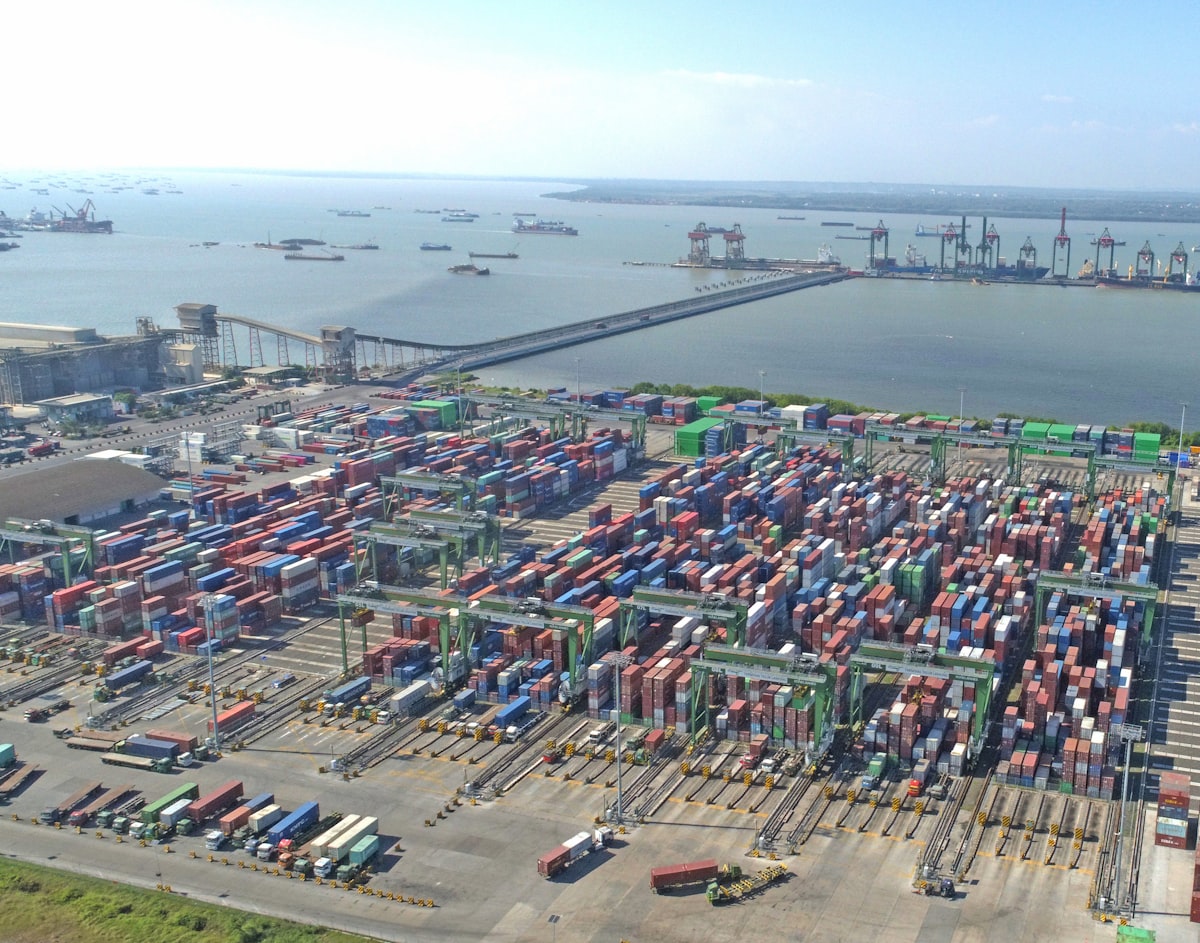
Export logistics: from the fields to the ports of Abidjan and Lomé
Consolidation, customs paperwork, transit: how Soycain de-risks the last mile before loading.
Between the production zone and the vessel, every Soycain lot passes through several checkpoints: weighing, quality control, bagging or bulk loading, then transport to the ports of Abidjan, San Pedro, Lomé or Cotonou depending on origin.
Key issues
Export documents — phytosanitary certificate, certificate of origin, organic certificate, bill of lading — are prepared in advance to avoid customs delays, a critical point on routes where transit times remain variable.
Consolidating several lots into a single container lowers costs for buyers ordering smaller volumes, without giving up individual traceability for each origin.
A perfect lot in the field is worthless if it arrives with the wrong paperwork.
Outlook
Soycain has digitized part of its logistics tracking: every shipment gets a lot number followed from the warehouse to delivery, viewable by the buyer throughout ocean transit.
This organization shortens average lead times between order and loading — a decisive factor for industrial clients who plan sourcing months ahead.